
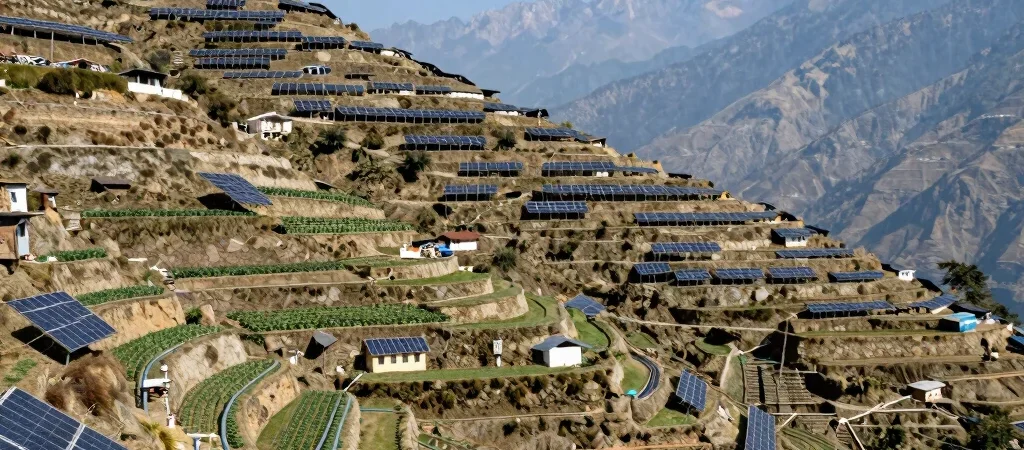
Agricultural cooperatives across Mustang and Solukhumbu are adopting localized precision sensors and smart irrigation infrastructure to counter unpredictable climate patterns. Designed specifically for high-altitude terrain, these integrated systems provide real-time soil moisture analytics and micro-climate forecasting directly to mobile handsets. Early harvest reports indicate significant improvements in crop resilience and yield consistency for high-value staple crops.
Precision Irrigation in Mountain Microclimates
Solar-powered drip irrigation units allow farmers to optimize water usage in regions affected by irregular rainfall and prolonged dry spells. Micro-hydro pumps lift water from lower river basins to elevated terraced fields without relying on expensive diesel generators. Cooperative leaders report a marked reduction in operational expenses alongside higher crop quality during recent seasonal harvests.
Connecting Local Farmers to Regional Supply Chains
Digital agronomy platforms now connect remote mountain growers directly with wholesale markets in major urban centers such as Pokhara and Lalitpur. Real-time pricing updates prevent intermediary exploitation and allow smallholder farmers to schedule harvests according to market demand. Transportation logistics have also improved through coordinated cold-chain storage hubs strategically positioned along national highways.
Scaling Sustainable Farming Technology Nationally
Research institutions and agricultural extension offices are expanding training programs to help rural youth master digital farming tools and soil management software. Government subsidies targeting renewable energy technology in agriculture have further accelerated adoption rates across hill districts. The success of these initiatives provides a scalable model for climate-resilient farming across the broader Himalayan region.